×
A study conducted by the German Allergy and Asthma Association (DAAB) in 2005 stated that the amount of airborne dust can be higher in rooms with hard, smooth flooring compared to rooms with carpets. In other words, the air in carpeted rooms may contain less dust.
Dust accumulates quickly on smooth surfaces. It can become airborne due to air movement, walking or everyday activity. This makes it easier for dust particles to reach the respiratory system.
Carpets, on the other hand, can be beneficial, especially for people with dust allergies, because they can trap dust particles and dust mite residues on their surface. Instead of circulating in the air, these particles accumulate in the carpet and can then be removed from the environment with a suitable vacuum cleaner.
We mentioned that household dust, dust mite residues and allergens from pets can accumulate in carpets, and that this can actually become an advantage.
However, this advantage applies as long as the accumulated particles can be effectively removed from the carpet!
Therefore, when choosing a carpet, a surface that makes regular cleaning easier is important for people with allergies.
One of the criteria to consider in this regard is the pile height of your carpet!
Pile height refers to the height of the yarns on the carpet surface. When choosing a carpet with allergies in mind, consider low-pile options before long, fluffy carpets, because particles accumulated in low-pile carpets are much easier to remove.
Fluffy, high-pile carpets may not be the right choice for people with allergies.
At Seyran Halı, pile-free collections such as Bombay, India and Etnik, as well as low-pile collections such as Loopy, Asır and Peru, may be suitable for this type of surface preference.
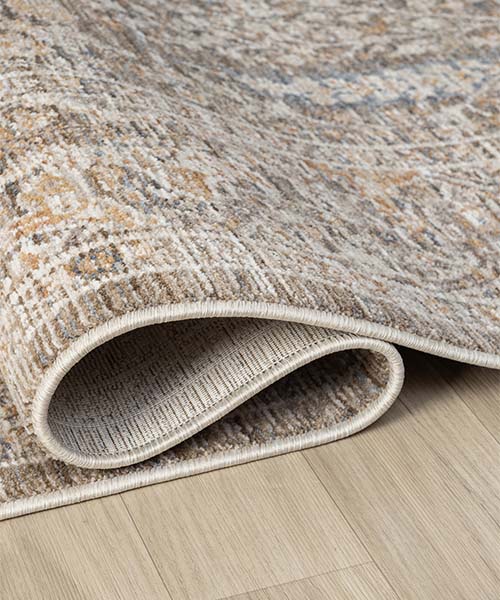
We all love natural materials, but research suggests that synthetic carpets may be a more suitable choice when allergies are a concern, especially when compared with animal fibers such as wool.
Certified polypropylene and polyester carpets with low VOC emissions may be preferred by people with allergies thanks to their moisture-resistant, non-porous and low-shedding fiber structures.
Of course, the overall quality of the carpet also plays an important role here.
Seyran Halı products have undergone VOC emission testing within the scope of OEKO-TEX® STANDARD 100. Collections such as Asır, Peru, Bombay and India may be suitable for this material and pile-height preference.
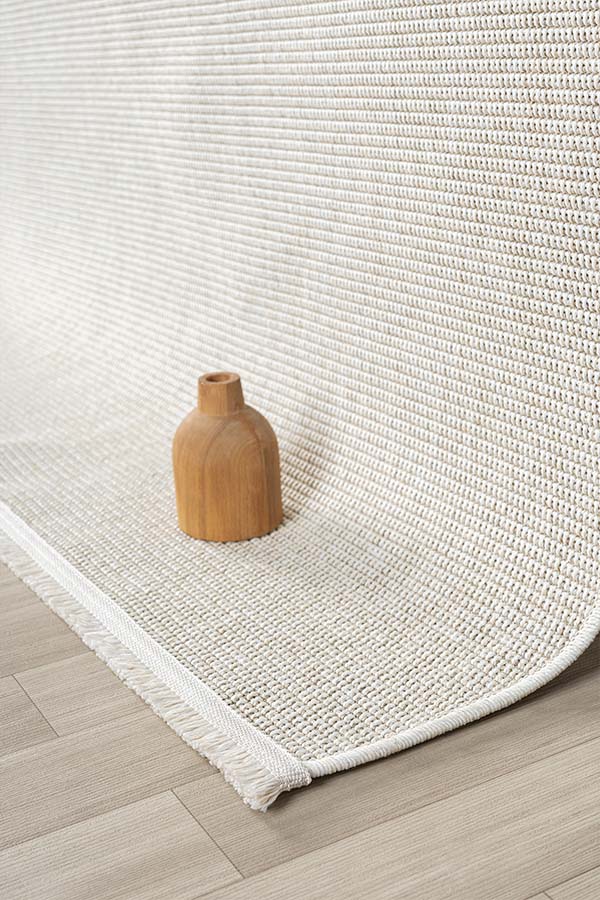
In children's rooms, a carpet is not merely a decorative element. Children sit on it, read books and play games.
Therefore, instead of starting the selection process with the pattern, it is more appropriate to consider the child's age and how they spend time on the floor.
For babies who are in the crawling stage, softer surfaces that allow them to move comfortably without hurting their knees may be more suitable. For children who are older and use the carpet as a play area, products offering a balanced level of softness may be more appropriate.
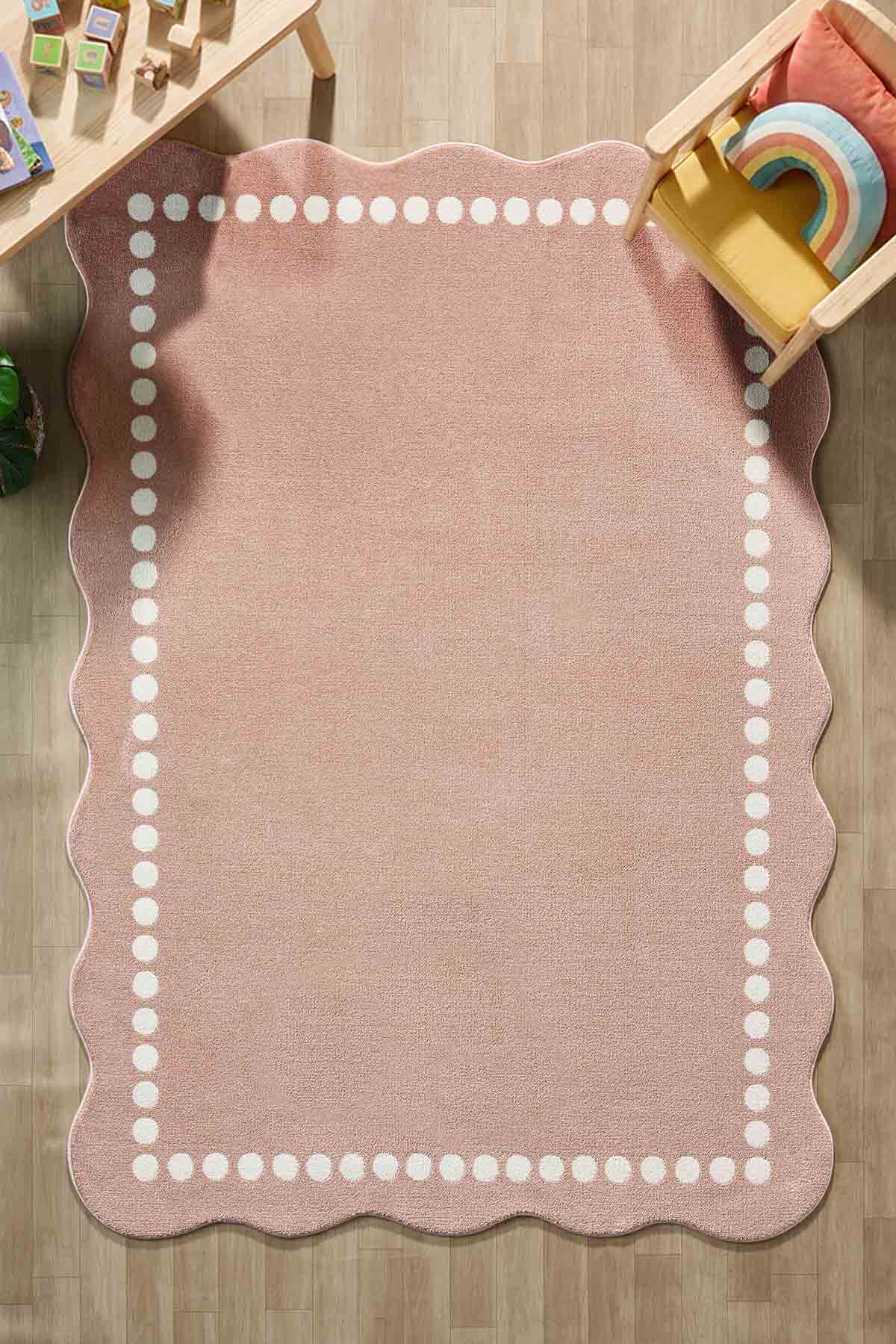
For small toys and wheeled toys, choose a shorter and more balanced surface. Long pile can make it harder to see small pieces and move toys across the carpet.
At Seyran Halı, collections such as Loopy, Asır, Peru and Orjin offer surfaces suitable for play areas.
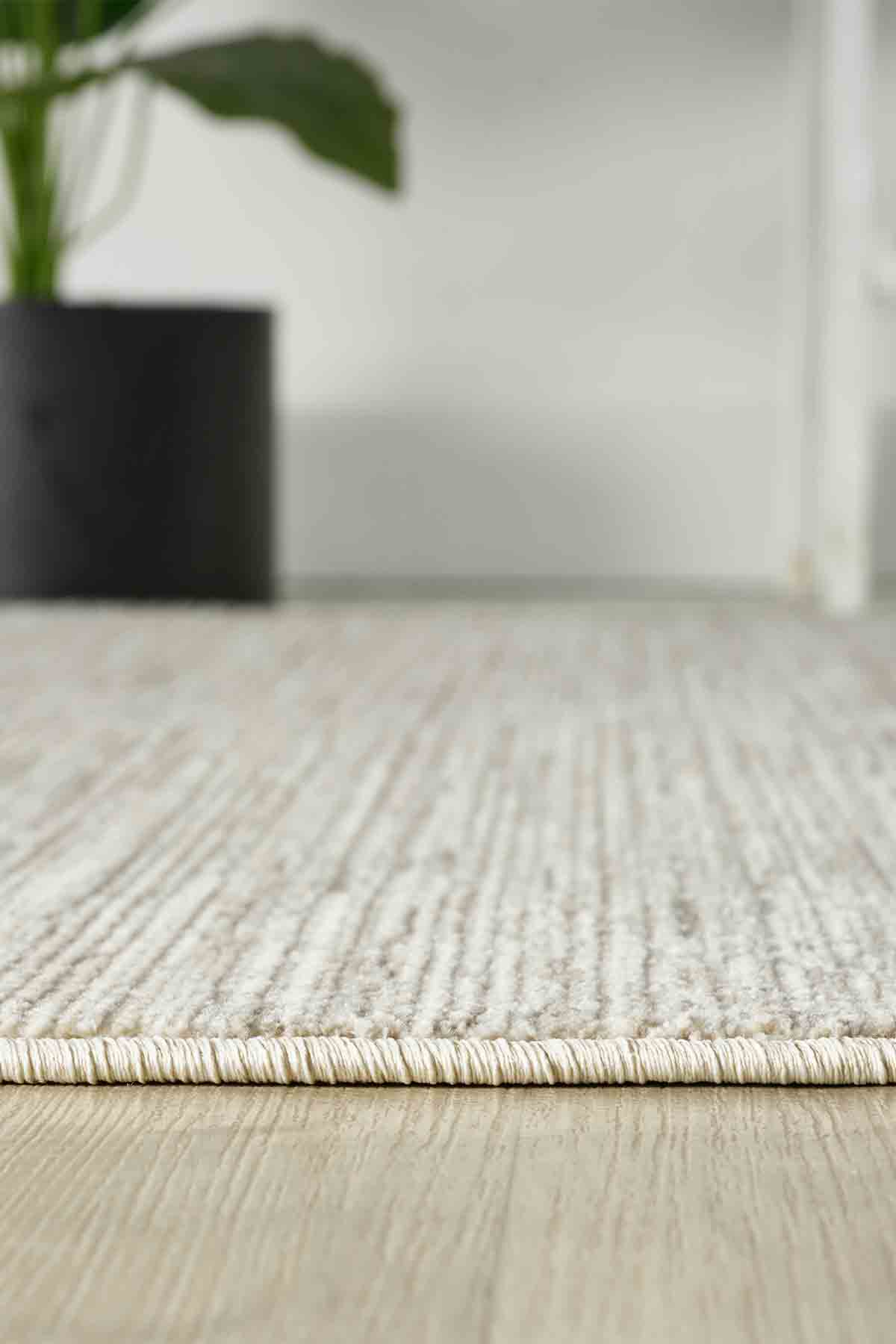
Shaggy, fluffy or high-pile carpets can provide advantages in sitting and crawling areas.
At Seyran Halı, soft Bali, Bali Nova and Bali Amorf carpets offer excellent options for children's rooms with their wide range of colors and soft surface structures.
In children's rooms, a sliding carpet or lifted edges can increase the risk of tripping. After laying the carpet, check its placement by walking on it and stepping on it from different directions. If necessary, use an anti-slip underlay suitable for both the carpet and the floor.
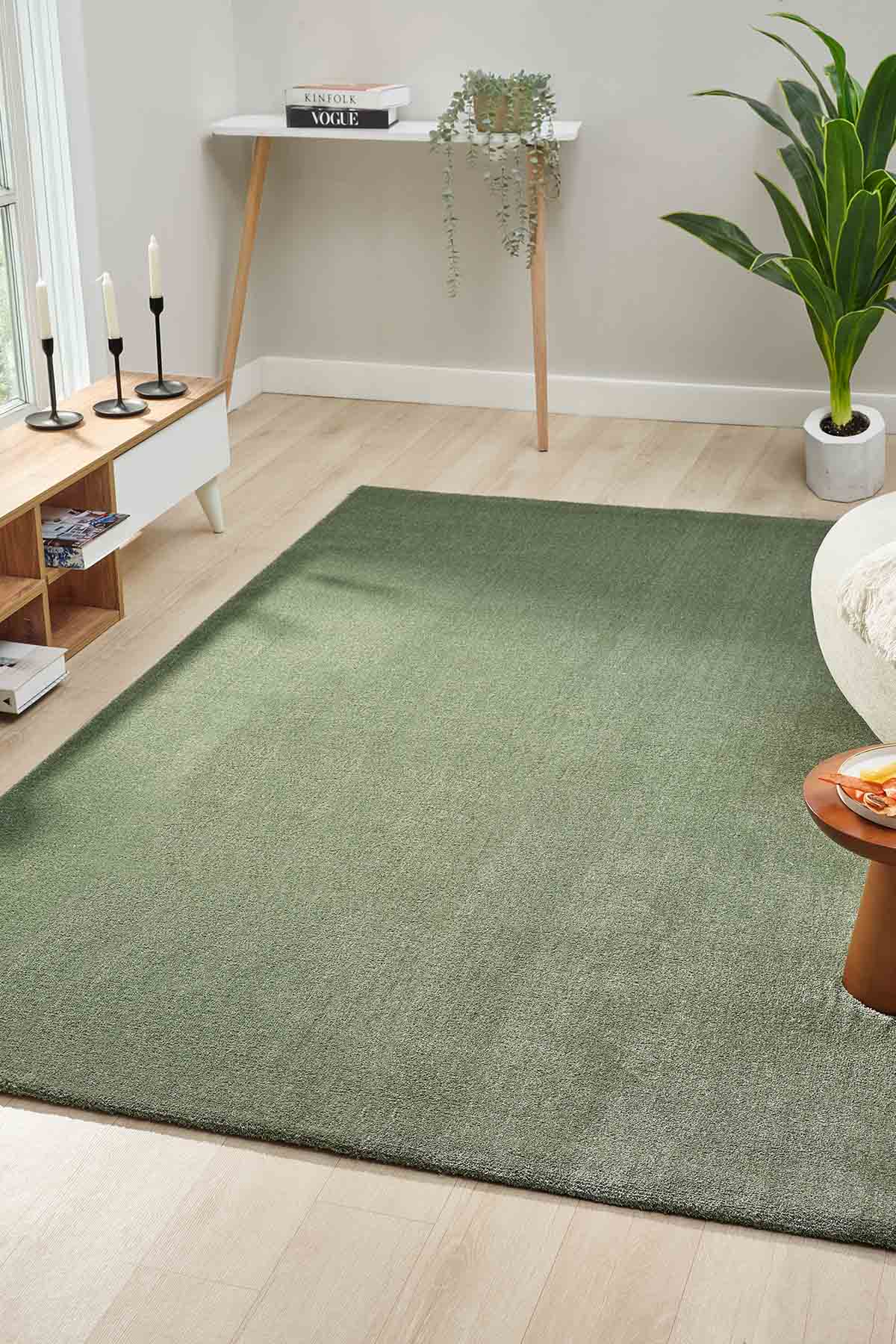
First, determine the options that you can maintain, that suit your needs and that can be safely positioned on the floor. Then, decide on the color and pattern together with your child.
17.09.20260
)


 Türkçe
 عربي
 Deutsch
 Français
 Русский
 Azərbaycan


